FIRE Magazine
Blue Sky Offices Shoreham
25 Cecil Pashley Way
Shoreham-by-Sea
West Sussex
BN43 5FF

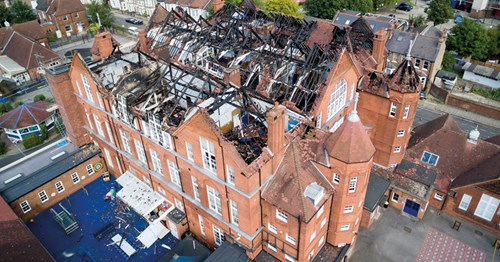
From April 6, 2026, new regulations introducing residential personal emergency evacuation plans, known as RPEEPs, came into force across England. They are intended to better identify and support residents who may need assistance to evacuate in a fire in certain specified buildings. In practice, this means putting arrangements in place to understand residents’ needs and plan how they could evacuate safely.
The regulations follow directly from the Grenfell Tower Inquiry Phase 1 recommendations and form part of the wider programme of reform to strengthen safety in residential buildings. They set out a more structured, person-centred approach, alongside clearer expectations on those responsible for managing buildings.
Under the new regulations, responsible persons, typically building owners or managers, are required to use reasonable endeavours to identify residents whose ability to evacuate without assistance is affected by a physical or cognitive condition. Where residents choose to take part, they must be offered a person-centred fire risk assessment, with the option of agreeing an emergency evacuation statement that reflects their individual needs.
Alongside this individual focus, there is also a building-level requirement. Responsible persons must prepare and maintain a building emergency evacuation plan for in-scope buildings, ensuring it is shared with the local Fire and Rescue Service and kept under regular review. This requirement applies regardless of whether there are relevant residents or consent has been given. In practice, this brings together information about evacuation arrangements across the building in a more consistent and accessible way.
RPEEPs apply to higher-risk residential buildings, those over 18 metres in height or with seven or more storeys, as well as buildings over 11 metres where a simultaneous evacuation strategy is in place. They apply in England only.
Throughout the process, participation by the relevant resident is voluntary and based on informed consent. Residents can choose whether to engage, what information they are comfortable sharing, and whether to agree to an emergency evacuation statement. They can withdraw at any time and where needed a representative or trusted person can act on their behalf.
Clear limits have been set on what information is shared with fire and rescue services and for what purpose. Information is only shared where residents give explicit consent and even then only a small number of prescribed details are provided, such as the resident’s flat and floor number, the type of assistance likely to be required, and whether an emergency evacuation statement exists. This ensures crews have the information they need to support operational decision-making during an incident, while keeping personal data to a minimum.
The regulations also clarify who is responsible for what. Responsibility sits with the responsible person for identifying residents, carrying out assessments, agreeing arrangements and maintaining building-level plans. Fire and rescue services have a different role. They use the information provided to support operational decision-making during an incident, while continuing to act as enforcing authorities under the fire safety order.
There are also clear limits to the role of fire and rescue services. They must not carry out person-centred risk assessments in respect of RPEEPs, develop evacuation statements or determine mitigation measures, nor are they there to mediate between residents and building owners. The regulations are intended to provide greater clarity so that each part of the system can operate with clearer expectations and better information.
While these regulations focus on evacuation, preventing fires in the first place remains the priority. There are simple steps responsible persons and residents can take to reduce risk, alongside a range of existing guidance and resources to support safer behaviours and better fire prevention in residential buildings.
The introduction of RPEEPs marks another step forward in how fire safety is managed in higher- risk residential buildings. It places greater emphasis on identifying and supporting those who may need assistance, while recognising the practical realities of the building people live in. As the regulations take effect, clear communication and effective working between responsible persons, fire and rescue services and residents will be key to making them work in practice.
