FIRE Magazine
Blue Sky Offices Shoreham
25 Cecil Pashley Way
Shoreham-by-Sea
West Sussex
BN43 5FF

Calgary, Alberta, March 24, 2026 – With lost-time workplace incidents remaining high worldwide – to the tune hundreds of millions of work-related injuries and illnesses occurring annually – 95% of safety leaders plan to maintain or increase their budgets over the next two years.
That’s the finding of a recent study commissioned by leading connected safety technology provider Blackline Safety – and conducted by independent research firm NewtonX – which surveyed 200 senior safety and operations professionals globally at companies with at least 500 employees about current industry practices and future outlooks.
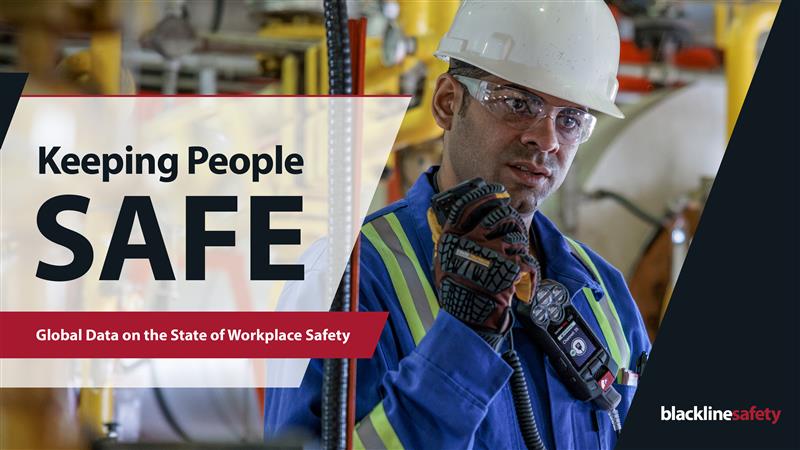
The results are compiled in a first-of-its kind Keeping People Safe: Global Data on the State of Workplace Safety report, which is accessible free of charge.
According to the survey, 97% of safety leaders believe workplace safety is fundamental to reliable productivity. Still, despite heavily investing in health and safety and understanding the tie to business health, 64% of those queried see a gap between safety protocol and real-world behavior.
“It’s clear from the survey that a majority of experts support a change in safety culture across industries,” said Christine Gillies, Chief Product and Marketing Officer at Blackline Safety. “As a result, we’ll see safety increasingly becoming a holistic, enterprise-wide operating system instead of a compliance function, and companies that treat it this way will close the protocol-behavior gap, creating safer and more productive workplaces.”
She cited feedback from those surveyed that points to potential reasons for this gap, including disconnections between people, process, and technology, a lack of understanding of a worksite’s day-to-day realities by protocol-creators, and additional processes being created that fail to address root causes of safety issues.
“Three pillars make up a strong safety culture – training and communication, tools and technology, and data and reporting,” Gillies said. “Most organizations have all three, yet few have them working together, which means gaps persist even when investment increases.”
Other report highlights include:
To download the report, visit Keeping People Safe: Global Data on the State of Workplace Safety.
