FIRE Magazine
Blue Sky Offices Shoreham
25 Cecil Pashley Way
Shoreham-by-Sea
West Sussex
BN43 5FF

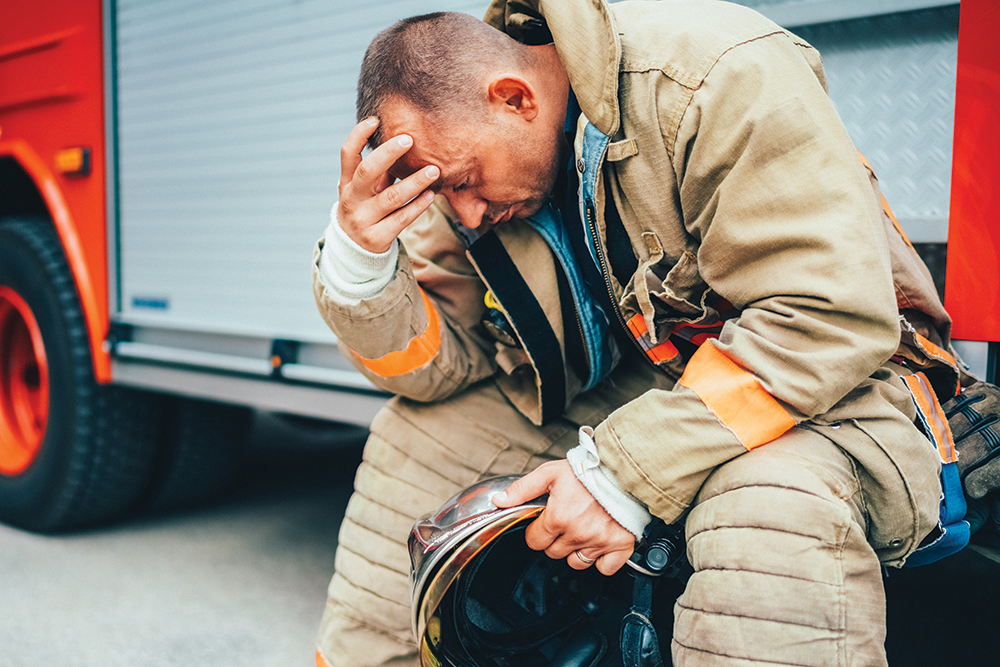
The government has launched a firefighters’ concordat, focused on health and wellbeing and built-in partnership with fire and rescue services – to drive improvements in prevention, early diagnosis and support.
Recognising the bravery of firefighters, the government is introducing what it calls tailor-made, research-backed health monitoring to better support their health and wellbeing during and after service.
The potential danger associated with tackling burning buildings, mountain rescues and attending road traffic incidents are well documented, but there is little research into the long-term effects of working within the service.
Speaking at the FBU, former Health and Social Care Secretary Wes Streeting said the government would establish a Firefighters’ Concordat on health and wellbeing – an agreement among key organisations to work together to improving firefighters’ health and wellbeing.
Under the agreement, rather than waiting until firefighters become ill, the government is committing to prevention – which keeps firefighters healthier for longer, reduces NHS costs and ensures the Fire and Rescue Service can retain experienced, fit and skilled workers.
“Firefighters run towards danger knowing full well the risks they face during an emergency, but we know very little about how the speed and courage of their work impacts their health,” Streeting said.
“That is because for too long their concerns have been ignored – but this new agreement promises to change things: to boost funding for research that is well overdue, and work in partnership with firefighters and their unions, alongside employers and fire chiefs to better protect and support them in the long term.
“We cannot continue to ask people to give everything in service of others and then fail them when they need help themselves.”
Despite the unique hazards of their profession, the evidence base on firefighter health and wellbeing remains limited. That is why the government is directing new funding for research via the National Institute for Health and Care Research (NIHR) to build the evidence base and better support understanding of how best to tackle firefighters’ health risks – from mental health to musculoskeletal health, and from cancer to cardiovascular disease.
There will be a specific focus on underrepresented groups in the profession, including women, who often have to do their jobs in kit and protective equipment that is not designed for them.
This agreement builds on commitments made in the 10 Year Health Plan, which will also raise awareness of the NHS services that could most benefit and support firefighters as well as better information on how they can access them at times that work best for them.
NFCC chair Phil Garrigan said firefighter health and wellbeing was a long standing priority and welcomed continued recognition of the unique risks firefighters face through their work.
“Firefighters’ work sees them encounter hazardous environments and harmful contaminants, often with long term consequences that may only become apparent years down the line,” Garrigan added. “A shared, coordinated approach across employers, representative bodies, health services and partners is essential if those risks are to be understood, reduced and properly monitored.
“We have been clear that prevention, early intervention and consistent standards are key. Work to strengthen contamination controls, improve facilities and enhance health monitoring must be informed by the best available evidence and applied consistently across all fire and rescue services.
“Supporting further research and building a stronger evidence base will be vital to improving understanding of occupational risk and ensuring firefighters receive appropriate, timely support throughout their careers. NFCC will continue to work constructively with partners across the sector, including through the Ministerial Advisory Group, to advance firefighter health and wellbeing.
“Those who protect our communities deserve the highest possible standards of care and protection in return.”
A government spokesperson said significant progress had already been made to reduce risks on the job, including improvements to health and safety practices, protective equipment, breathing apparatus and decontamination standards.
But prevention must go further – supporting firefighters’ long-term health and wellbeing, including cardiovascular health, musculoskeletal conditions, mental wellbeing and awareness of cancer risks.
Building safety Minister Samantha Dixon said: “Behind every emergency response is a person who puts themselves in harm’s way to protect the lives of others time and time again. This partnership is our commitment to them.
“It’s a serious, long-term promise to understand the risks they take and make sure every firefighter gets the health support they deserve – during their career and beyond.
“I’ll be working closely with firefighters, unions, employers, chief fire officers and health partners to make that a reality.”
Meanwhile, Steve Wright, General Secretary, FBU, said: “The commitment from the Health Secretary to increase health monitoring for firefighters is a very welcome and important step forward.
“It reflects the constructive work that has taken place between the union and government, and shows what can be achieved when firefighters’ voices are properly represented.
“Our members put themselves in harm’s way to protect the public, often in extremely challenging and dangerous conditions. It is right that their health and safety is recognised and taken seriously.
“Today’s commitment is an important milestone, and we are pleased to see this progress being made.”
The Firefighters’ Concordat will be delivered through a working group established under the Ministerial Advisory Group on Fire and Rescue Reform, bringing together the government, fire and rescue services, employers and representative bodies to deliver a comprehensive programme of improvements, including working to establish monitoring to better assess firefighter health and better spot risks.
