FIRE Magazine
Blue Sky Offices Shoreham
25 Cecil Pashley Way
Shoreham-by-Sea
West Sussex
BN43 5FF

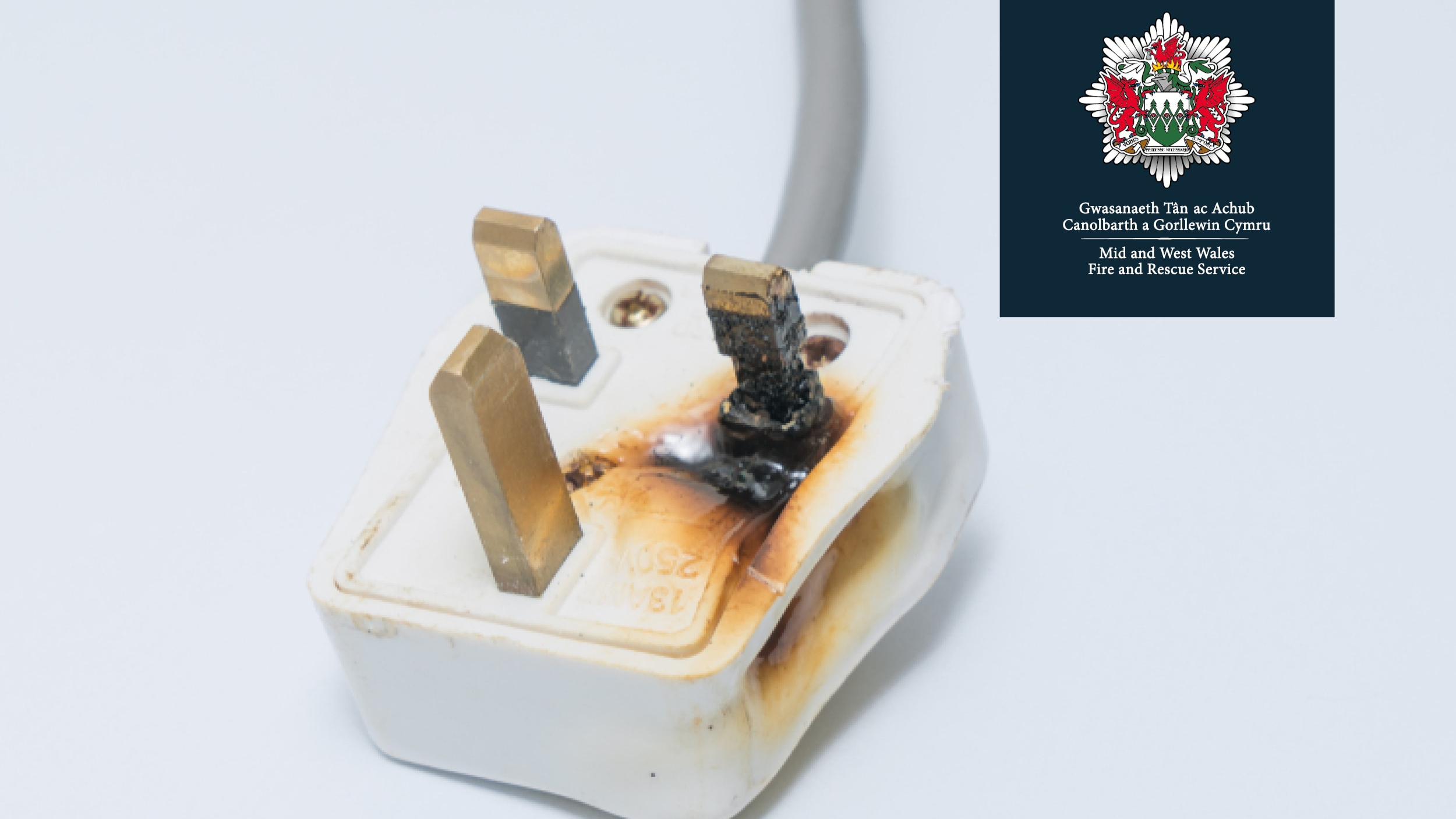
The National Fire Chiefs Council (NFCC) and Mid and West Wales Fire and Rescue Service (MAWWFRS) are urging people to take extra care and reduce the risk of electrical fires in their homes this winter.
With colder weather and the cost of living continuing to rise, many people are seeking alternative ways to heat and power their homes. As more households rely on electric heaters, log burners and rechargeable devices, fire prevention has never been more important. While saving money may be a priority, safety must not be compromised.
People can significantly reduce the risk of electrical fires by following these key steps:
If you have concerns about an appliance in your home, use Electrical Safety First online product checker to see if it has been recalled.
Register your appliances
Residents are encouraged to use the free Register My Appliance service, which notifies users of safety repairs or product recalls. Proof of purchase is not required, making it suitable for second‑hand or gifted items. Keeping appliances in good condition helps them last longer, reduces costs and keeps households safe.
Home Fire Safety Manager, Gareth Hands said:
“We want everyone to stay safe this winter, and we urge residents of Mid and West Wales to take a few simple steps. Electrical fires present a real risk, often causing significant damage to property and, in the worst cases, leading to tragic consequences.
“Never leave electrical appliances running overnight or unattended and make sure you have working smoke alarms fitted on each level of your home and test them regularly.
“Registering your new, old or second‑hand appliances means you will be notified if a product recall or safety issue arises, helping to prevent a potential fire or hazardous situation. It only takes a couple of minutes to do, and you will only be contacted about essential product safety information.”
——–
Lithium‑Ion Battery Safety
MAWWFRS are also highlighting the growing fire risks associated with e‑bikes, e‑scooters and other devices powered by lithium‑ion batteries. These batteries can fail catastrophically if damaged, overcharged or charged using incompatible equipment. This can lead to fast‑spreading fires that produce toxic smoke.
Lithium‑ion battery fires develop rapidly and can be extremely difficult to extinguish, making prevention critical. To help you and your families stay safe and to reduce the risk of fire in your home from a lithium-ion battery, follow our safety advice below:
Head of Community Safety, Aled Griffiths said:
“We are seeing an increase in Lithium-ion battery fires in Mid and West Wales with the Service attending 11 fires in the last 12 months.
“Lithium-ion batteries are associated with e‑bikes and e‑scooters but most modern devices with rechargeable batteries contain lithium-ion batteries, they can be found inside many everyday household electricals, from laptops, mobile phones and tablets to electric toothbrushes and vapes to name a few.
“If a lithium-ion battery is improperly charged, handled, stored or disposed of there is a risk of overheating, catching fire or explosion leading to fast‑spreading fires that produce toxic smoke – causing serious injury or even loss of life.
“We are urging everybody to follow our simple advice to help stay safe in their homes.”
For more information on how to correctly recycle batteries, please visit the Recycle Your Electricals and to find your nearest recycling facility, please visit the Wales Recycles website.
You can conduct a home fire safety check yourself on our website using Safelincs – an online Home Fire Safety Checker. It will take you through your home one room at a time and the simple questions will help you spot fire risks as you go.
MAWWFRS also offer Safe and Well visits where the Community Safety team can provide advice either over the phone or visit your property to provide support on home safety. You can book your visit by calling 0800 169 1234 or book online at Safe and Well Visit – Mid and West Wales Fire and Rescue Service (mawwfire.gov.uk).
