FIRE Magazine
Blue Sky Offices Shoreham
25 Cecil Pashley Way
Shoreham-by-Sea
West Sussex
BN43 5FF

Ben Brook
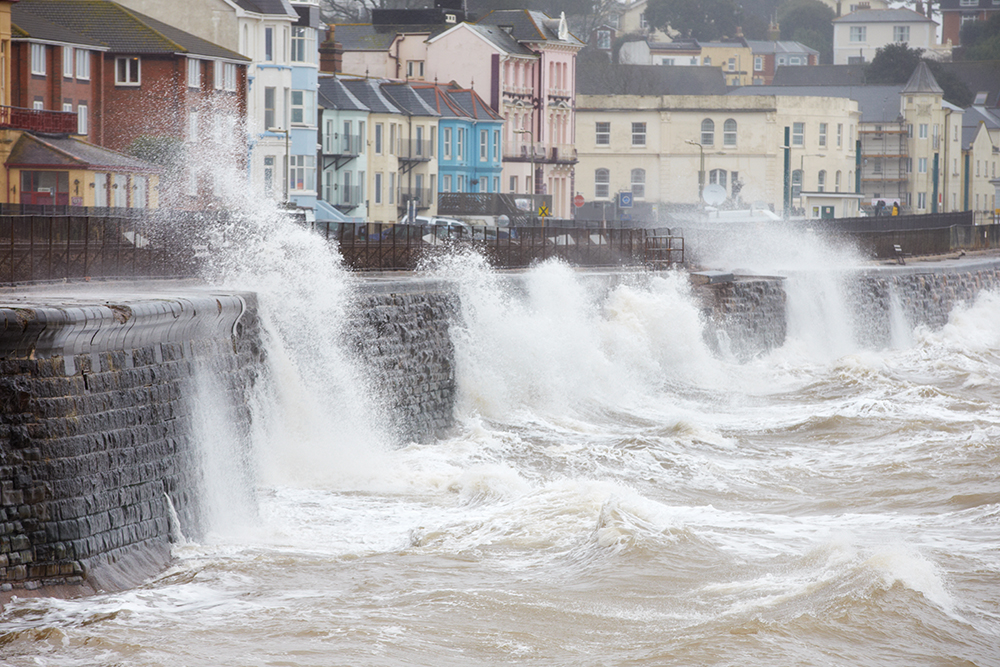
Flooding has once again affected communities across the UK in recent weeks, placing sustained pressure on local emergency services. For fire and rescue services, this is no longer something that happens occasionally or unexpectedly. It is fast becoming part of the operating context we plan and respond within.
Firefighters are routinely stepping in during flooding incidents, often in challenging and hazardous conditions. While flood response is now a familiar part of our work, the pace and scale of recent events are exposing the limits of systems that were never designed to manage climate-driven risk at this level or frequency.
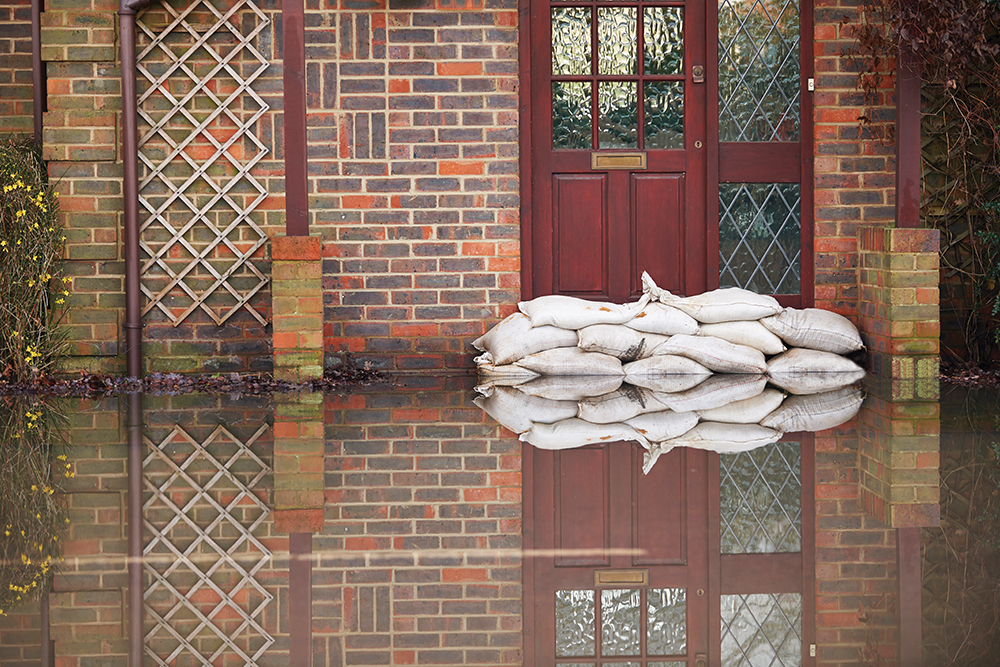
This is the reality of operating in a changing climate. More intense rainfall and increasingly unpredictable weather patterns are heightening the flood risk across the country, and projections suggest this will continue for decades to come. For fire and rescue services, that means rising operational demand that does not follow neat seasonal patterns. Flooding may dominate headlines in winter, but as flood risk recedes pressures often shift to heatwaves and wildfires, creating a near-constant cycle of climate-driven demand across the year.
The question, then, is not whether fire and rescue services will respond. They already do. The question is whether we are fully prepared for what lies ahead.
Flood response itself is complex and resource-intensive. It requires specialist skills, equipment and sustained coordination across agencies, often over prolonged periods of time. When major flooding occurs, services must balance extended response activity with maintaining day-to-day resilience for their communities. As extreme weather events become more frequent and more severe that balance becomes increasingly difficult to sustain.
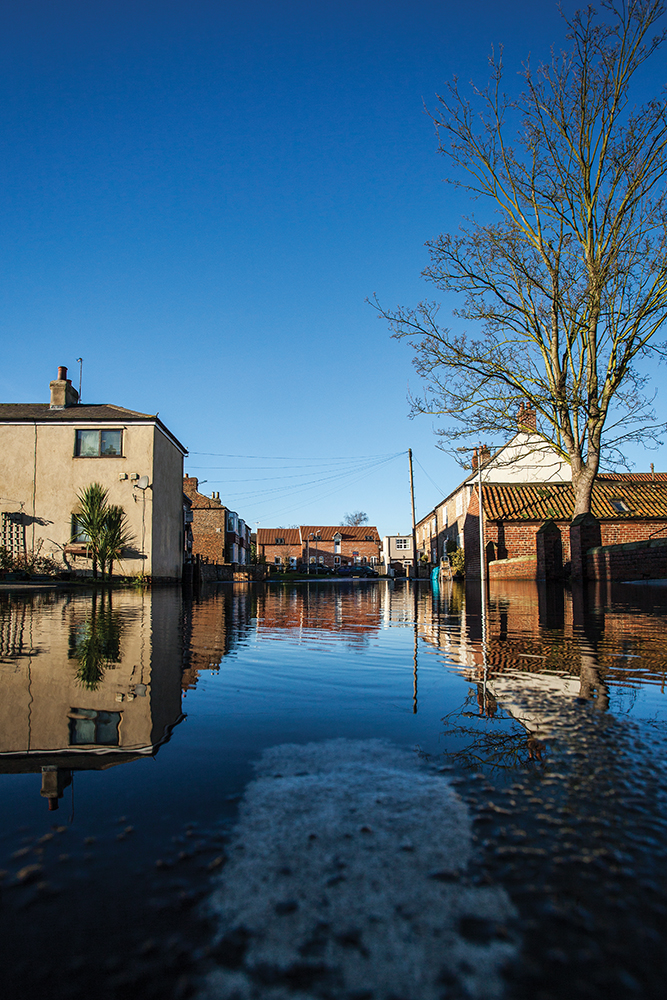
One of the challenges this highlights is how flood response is funded. Fire and rescue services are increasingly responding to flooding and water-related incidents as part of everyday operational demand, yet this activity does not sit within a clear statutory or funding framework in England. While services will always act to support communities when they are affected, the lack of dedicated funding makes it harder to plan ahead, invest consistently and maintain capability during the long term as flooding becomes more frequent.
Fire and rescue services work closely with partners through local resilience forums, where emergency services, local authorities and other agencies plan and respond together. That collaboration is a real strength. But the current system places clear limits on long-term preparedness. Access to accurate data, long-term forecasting and the expertise needed for predictive modelling is inconsistent, making it harder to anticipate risk rather than simply respond to what is happening now. Local resilience forums play a vital role in this space, but many are under-resourced and lack clarity around their role in longer-term climate resilience, which makes it difficult to build the kind of joined-up, forward-looking approach that a changing risk landscape increasingly demands.
Alongside responding to today’s incidents, fire and rescue services need to look further ahead. Understanding how climate change could reshape risk, demand and capability during the next 10-40 years is essential if we are to plan effectively for the future.
As part of that wider conversation, I will be taking part in an upcoming roundtable being developed through ACER, focused on the future impacts of climate change on fire and rescue services. Planned for the coming months, it will bring together leads from across different areas of the NFCC alongside academics from around the country. I am looking forward to the opportunity to share perspectives, learn from others and use a mix of operational experience and academic insight to develop clearer foresight about the challenges ahead, while also helping to shape thinking that could inform future research in this area.
Recent flooding has once again highlighted how central fire and rescue services already are to protecting life during climate-related emergencies. Firefighters will continue to step in when communities need them. Ensuring that this role is sustainable during the next decade will depend on how well we strengthen our frameworks, improve our understanding of risk and invest in preparedness now, rather than waiting for the next extreme event to test the system again.
